
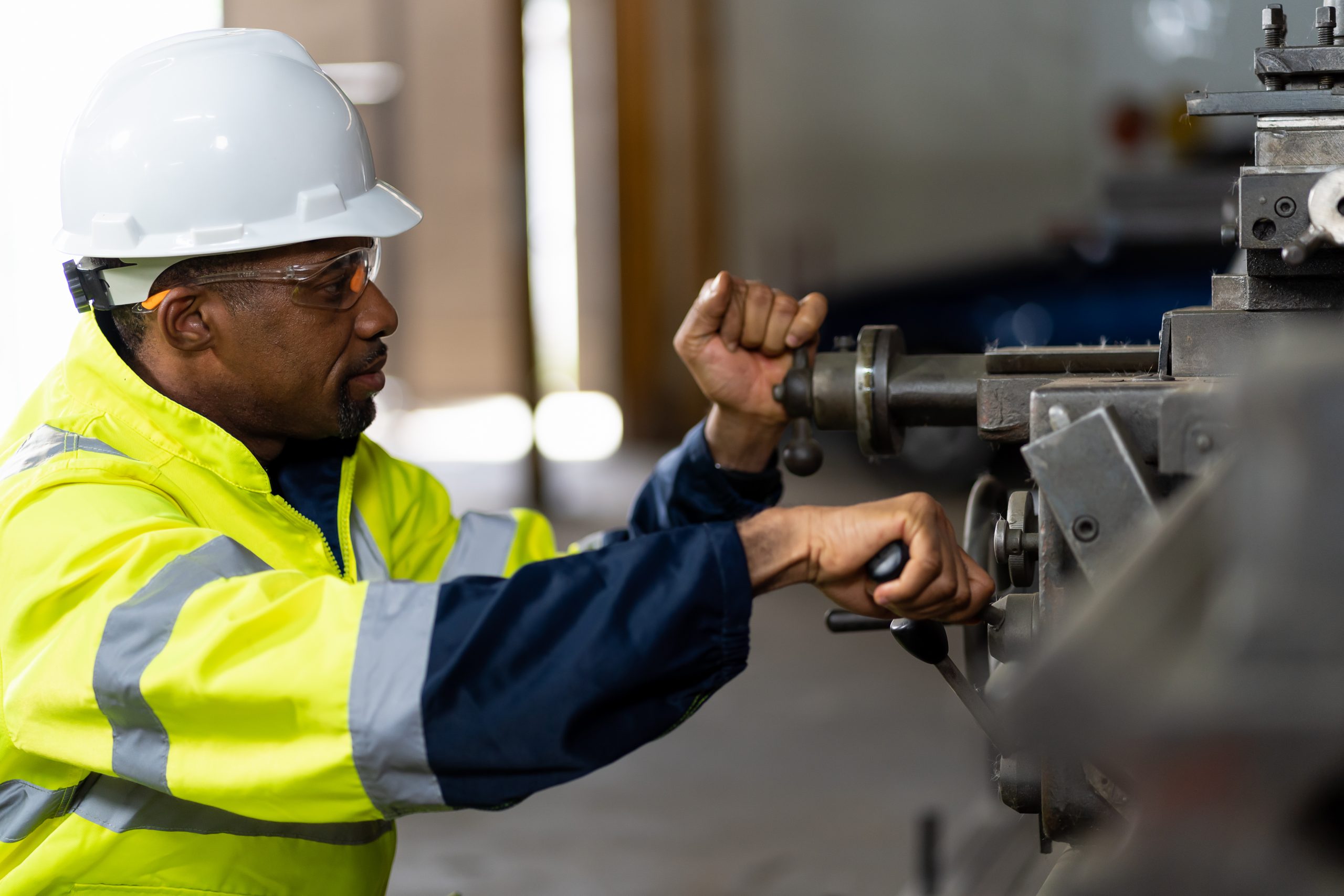
For business owners and facility managers in the Twin Ports, mechanical systems are the backbone of day-to-day operations. Heating, cooling, piping, and process systems must operate reliably to keep people safe, productive, and comfortable. Yet many organizations aren’t entirely sure what mechanical contracting is or how it differs from standard HVAC work.
In this guide, we break down what mechanical contracting entails, why it matters for commercial buildings, and how Carlson Duluth Company supports businesses throughout Duluth and the surrounding region.
What Is Mechanical Contracting?
Mechanical contracting refers to the design, installation, maintenance, and repair of mechanical systems within commercial and industrial buildings. These systems typically include HVAC, boilers, hydronic heating, piping, and other complex infrastructure that support heating, cooling, ventilation, and industrial processes.
Unlike residential HVAC work, mechanical contracting focuses on large-scale, integrated systems that must meet strict performance, safety, and regulatory requirements. For businesses, mechanical contracting plays a direct role in energy efficiency, occupant comfort, operational continuity, and long-term cost control.
What Does a Mechanical Contractor Do?
A mechanical contractor manages the full lifecycle of mechanical systems, from initial planning through long-term maintenance. Below are the core services typically involved.
-
HVAC System Installation & Replacement
Mechanical contractors oversee large-scale HVAC system installation and replacement for commercial buildings. This includes rooftop units, air handlers, ductwork, controls, and system balancing to ensure efficient and reliable performance.
2. Boiler & Hydronic Heating Systems
In northern Minnesota, boilers and hydronic heating systems are essential. Mechanical contractors install, upgrade, and service boilers, pumps, and distribution systems that deliver consistent heat across large facilities.
3. Commercial & Industrial Piping
Mechanical contracting often includes commercial and industrial piping for heating, cooling, gas, water, and process systems. These systems must be installed to exact specifications and local codes to ensure safety, efficiency, and reliability.
4. Mechanical System Design-Build
Design-build services allow mechanical contractors to manage both the engineering and installation phases of a project. This integrated approach improves coordination, reduces delays, and helps control costs by addressing potential issues early in the process.
5. Preventative Maintenance & Repairs
Ongoing maintenance is a core part of mechanical contracting for businesses. Preventative service helps identify wear, inefficiencies, and potential failures before they disrupt operations.
Mechanical Contracting vs. HVAC Services: What’s the Difference?
While HVAC services are part of mechanical contracting, the scope is much broader. HVAC typically focuses on heating and cooling equipment, often in residential or light commercial settings. Mechanical contracting encompasses HVAC plus boilers, piping, controls, and industrial systems, all coordinated across large or complex facilities.
For businesses, working with a mechanical contractor means having a partner who understands how multiple systems interact and how to keep them operating efficiently as a whole.
Why Mechanical Contracting Is Critical for Commercial Buildings
Commercial buildings depend on mechanical systems to function safely and efficiently. A failure in heating, cooling, or piping can halt operations, damage equipment, or create unsafe conditions for occupants. Professional commercial mechanical services help minimize these risks by ensuring systems are properly designed, installed, and maintained.
Mechanical contracting also plays a key role in energy management. Efficient systems reduce utility costs, support sustainability goals, and help buildings comply with evolving energy codes and standards.
Industries That Rely on Mechanical Contracting in Duluth
Many sectors across Duluth depend on reliable mechanical systems to operate effectively.
1. Healthcare Facilities
Hospitals and clinics require precise temperature control, air quality management, and system redundancy. Mechanical contracting supports patient safety, infection control, and uninterrupted operations.
2. Manufacturing & Industrial Plants
Manufacturing facilities rely on process piping, ventilation, and specialized mechanical systems. Industrial mechanical services in Duluth are essential for maintaining production efficiency and protecting valuable equipment.
3. Schools & Universities
Educational facilities need dependable heating and cooling to create comfortable learning environments. Mechanical contractors help manage aging infrastructure while improving efficiency and reliability.
4. Municipal & Government Buildings
Public buildings must meet strict safety and performance standards. Mechanical contracting ensures systems operate reliably while supporting responsible use of public funds.
5. Commercial Offices & Retail
Office buildings and retail spaces depend on consistent comfort for employees and customers. Mechanical contracting helps prevent disruptions and supports long-term operational stability.

How to Choose a Mechanical Contractor in Duluth, MN
Selecting the right mechanical contractor in Duluth, MN, that businesses can trust is an important decision. Look for a contractor with proven experience in commercial and industrial projects, strong safety practices, and a thorough understanding of local codes and climate challenges.
Clear communication, transparent pricing, and a long-term service mindset are also key. A good mechanical contractor helps you plan, maintain, and optimize them over time.
The Importance of Preventive Mechanical Maintenance
Preventive maintenance is one of the most effective ways to protect mechanical systems. Regular inspections, cleaning, and performance checks help extend equipment life, improve efficiency, and reduce the risk of unexpected failures.
For facilities managers, consistent maintenance planning supports budgeting and minimizes the need for emergency repairs. Over time, this proactive approach delivers measurable cost savings and more reliable building performance.
Frequently Asked Questions About Mechanical Contracting
What is included in mechanical contracting services?
Mechanical contracting services typically include system design, installation, maintenance, repairs, and upgrades for HVAC, boilers, piping, and related mechanical infrastructure.
Is mechanical contracting only for commercial buildings?
Mechanical contracting is primarily focused on commercial and industrial facilities, though some large or complex residential projects may also require these services.
How is mechanical contracting different from general contracting?
General contractors oversee entire construction projects, while mechanical contractors specialize in mechanical systems. Mechanical contractors work alongside general contractors to deliver specialized expertise.
Do mechanical contractors handle design and engineering?
Many mechanical contractors offer design-build services, managing both engineering and installation to streamline projects and reduce risk.
How often should commercial mechanical systems be serviced?
Most commercial systems should be inspected at least annually, with more frequent service recommended for critical or high-use equipment.
Request a Mechanical Contracting Consultation in Duluth
If you’re planning a new project or looking to improve the performance of existing systems, mechanical contracting for businesses starts with the right partner. At Carlson Duluth Company, we work closely with local organizations to design, install, and maintain mechanical systems built for long-term reliability. Contact us today to request a consultation and discuss how we can support your facility’s needs.