
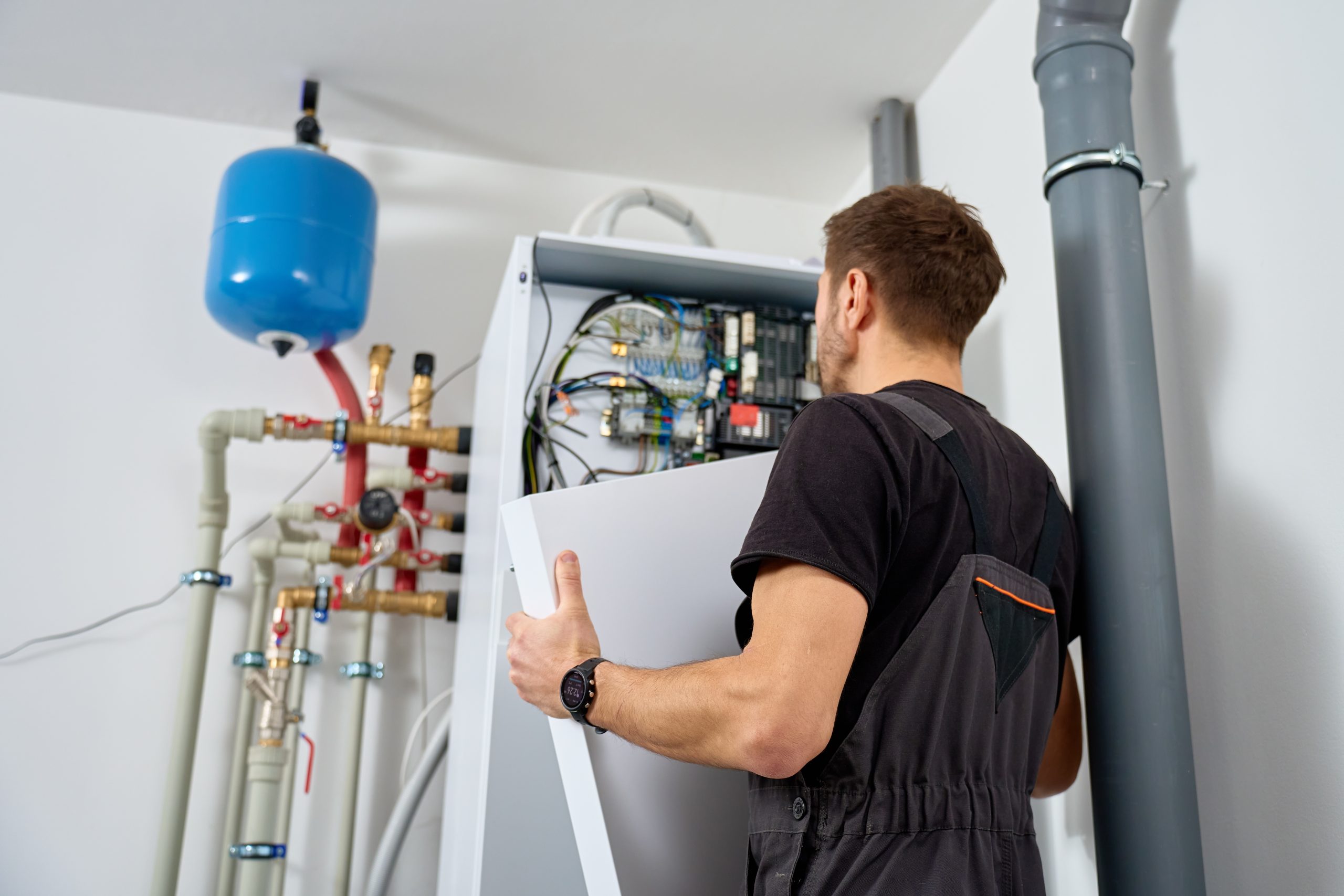
A dependable boiler helps keep your property comfortable through northern Minnesota’s long winters. However, equipment that provided reliable heat last season may develop leaks, circulation problems, or worn components before cold weather returns. Preparing early gives you time to address those concerns while heating demand is still relatively low.
Scheduling boiler maintenance in Duluth before winter provides an opportunity to assess safety, clean serviceable components, and check system performance. This checklist explains what deserves attention, which observations homeowners can make, and when a qualified technician should take over.
Why Fall Is the Right Time for Boiler Maintenance
Fall offers a practical window for maintenance before your boiler begins operating frequently throughout the heating season. An inspection can identify developing problems and leave time for repairs, replacement parts, or follow-up testing before freezing temperatures arrive.
Planning ahead offers several advantages:
- Earlier problem detection: Leaks, ignition issues, and circulation problems can receive attention before heating demand increases.
- More time for repairs: Necessary work can be planned before your property depends on continuous heat.
- Better performance: Cleaning and appropriate adjustments help support an efficient boiler.
- Greater peace of mind: You have a clearer understanding of the equipment’s condition before the winter months.
Regular maintenance cannot eliminate every breakdown, but it helps reveal concerns that could otherwise require emergency repairs. The company’s guide to boiler warning signs before a Duluth winter explains symptoms worth reporting when scheduling service.
Your Pre-Season Boiler Checklist
Boiler systems vary by fuel, design, and distribution method. Hot-water and steam equipment require different procedures, so maintenance should follow the instructions for your specific model. Use this checklist to organize observations and discuss inspection priorities with your technician.
Check Pressure and Temperature Readings
Look at accessible gauges or displays and compare readings with the operating guidance provided for your equipment. There is no single pressure or temperature setting suitable for every boiler.
Record unusual fluctuations, recurring fault codes, or readings outside the manufacturer’s recommended range. These observations can help a technician investigate problems involving water loss, expansion control, sensors, or circulation.
Avoid changing settings or adding water simply to correct an unfamiliar reading. Repeated pressure loss deserves diagnosis rather than routine topping up. Note whether the system was cold or heating when you recorded the reading.
Bleed Radiators and Inspect for Leaks
Air trapped in a hot-water radiator can interfere with heat distribution, but uneven heating may also result from valve or circulation problems. Before assuming bleeding will solve the issue:
- Look for moisture around accessible pipes, valves, and radiator connections.
- Report rust stains, recurring drips, or water beneath the boiler.
- Note radiators that remain cool while others heat normally.
- Listen for persistent gurgling or other new sounds.
Bleed radiators only when your system’s instructions permit homeowner servicing and you understand the procedure. Steam radiators require different handling. If you are unsure, have a professional investigate rather than opening unfamiliar valves.
Inspect the Burner, Flue, and Venting
For fuel-burning equipment, the burner and venting system must work together to produce heat and discharge combustion gases safely. A technician should assess burner operation, ignition, combustion, and vent integrity using methods appropriate to the boiler.
Homeowners can report visible disconnected vent sections, corrosion, soot, or obstructed exterior openings without dismantling equipment. Keep combustion-air openings unobstructed. Carbon monoxide is odorless, so equipment observations do not replace working alarms or professional inspection.
If a carbon monoxide alarm sounds or you suspect a gas leak, leave the building and call emergency services from outside.
Test Safety Controls and the Relief Valve
Safety devices help protect equipment against dangerous operating conditions. Professional checks should address the controls fitted to your system, including temperature limits, applicable low-water protection, and the pressure relief valve.
Relief-valve assessment requires attention to the valve, discharge piping, and manufacturer’s testing instructions. Hot discharge water can cause burns, so leave testing to a qualified technician. Never cap or obstruct the discharge pipe, and report persistent dripping rather than treating it as normal. Manufacturer guidance identifies relief-valve inspection as an important protection against unsafe pressure buildup. weil-mclain.com
What Homeowners Can Do vs. What Needs a Pro
Homeowner care should focus on observation, access, and reporting changes. Boiler maintenance involving combustion, electrical components, or pressurized equipment requires professional expertise. Weil-McLain recommends using a heating professional for maintenance service and component replacement. Weil-McLain
| Homeowner observations and care | Work for a qualified professional |
| Record visible gauge readings and fault codes | Diagnose pressure and temperature problems |
| Look for accessible leaks or corrosion | Repair piping, valves, and boiler components |
| Keep the equipment area clear | Clean internal combustion components |
| Follow alarm testing instructions | Assess combustion and venting performance |
| Report cold rooms or unusual noises | Test safety controls and circulation equipment |
If your home has several heating and cooling systems, identify each unit when booking. A furnace tune-up services different equipment and does not replace a boiler inspection before winter.
What a Professional Boiler Clean & Tune Includes
A professional boiler clean and tune combines inspection, appropriate cleaning, and operational checks. The scope depends on the model and its condition; confirm what is included before the appointment.
Typical service priorities may include:
- Component cleaning: Addressing buildup on serviceable areas according to manufacturer instructions.
- Heat exchanger assessment: Checking accessible surfaces for deposits, deterioration, or leakage.
- Circulation checks: Evaluating pumps, zone controls, and heat distribution.
- Leak investigation: Inspecting water, fuel, and applicable condensate connections.
- Operational testing: Checking startup, controls, and performance during heating.
- Service recommendations: Explaining findings and any additional work needed.
Keep the service report for future reference. Comparing findings over time can help identify recurring issues before major repairs become necessary. Ask which recommendations affect safe operation and which can be scheduled later.
Residential and Commercial Boiler Service in Duluth and Superior
Residential maintenance focuses on dependable household comfort, while commercial properties may require coordination around operating hours, multiple zones, or larger heating loads. Some systems also provide domestic hot water through separate connected equipment, which should be identified when arranging service.
For boiler service in Superior, WI, or Duluth, describe the property, equipment type, and current concerns. Review energy bills and heating bills alongside weather and usage changes; higher costs alone do not prove equipment failure. Professional boiler service and repair can help determine whether maintenance, repairs, or an energy efficient replacement deserves consideration.
Schedule Your Boiler Clean Service Today!
Keep your heating equipment in good working order before winter with Carlson Duluth Company. Our team provides residential and commercial boiler maintenance, repairs, and installation services.
For boiler maintenance in Duluth or questions about service in Superior, get in touch today or call (218) 727-0063. Discuss your equipment and schedule a boiler tune-up before colder weather arrives.