
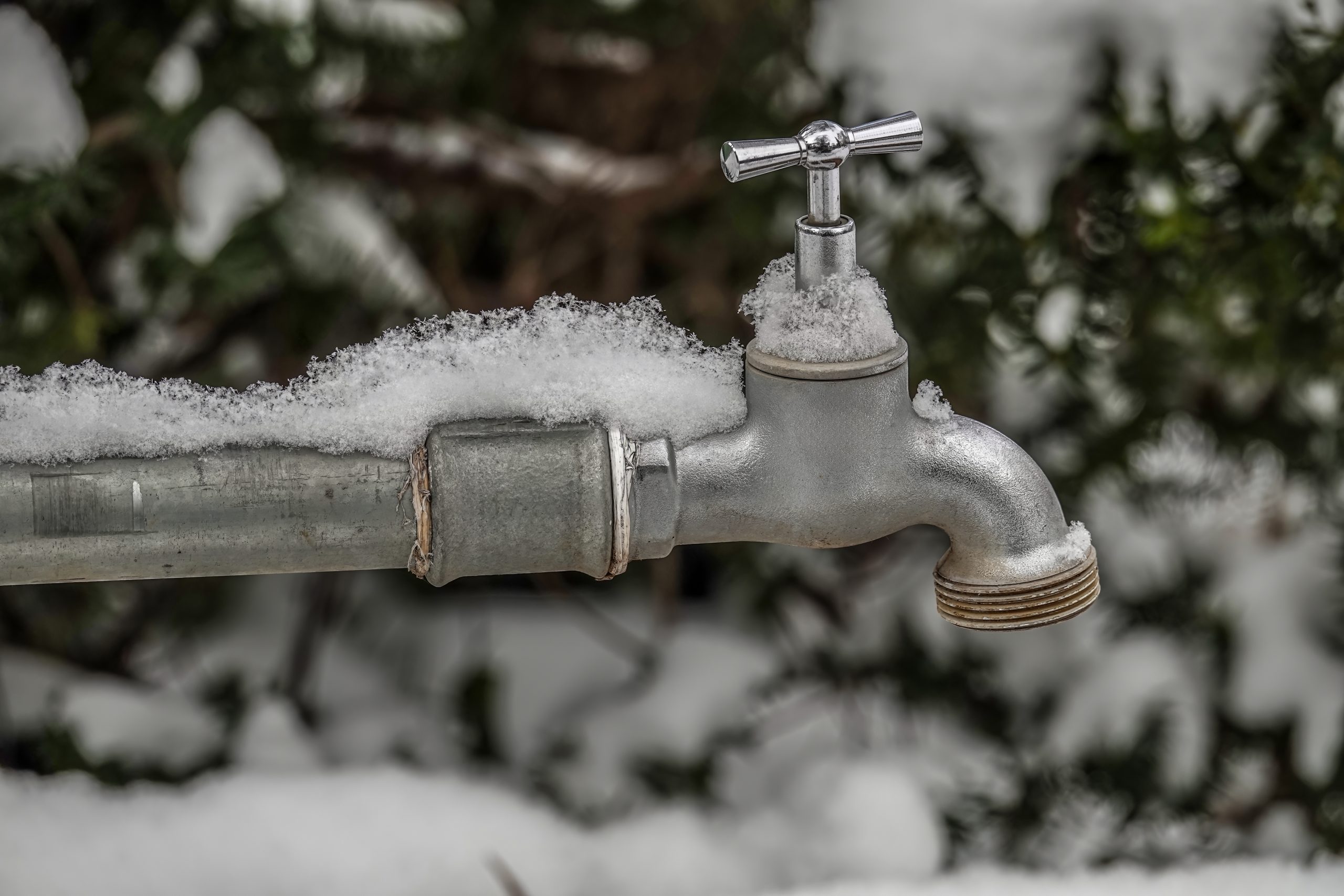
Winter in Duluth brings freezing temperatures that can put your home’s plumbing at risk. When water freezes inside pipes, it can lead to cracks, unexpected leaks, and expensive repairs. Fortunately, a few preventive measures can help you avoid these problems before temperatures drop.
At Carlson Duluth Company, we help homeowners maintain reliable plumbing throughout northern Minnesota’s coldest months. Here’s how to prevent frozen pipes in Duluth, recognize warning signs, and respond safely when problems occur.
Why Pipes Freeze (and Burst) in Northern Minnesota
Water expands as it freezes, creating blockages inside your plumbing. As pressure builds between the ice and a closed faucet, water pipes may crack or burst, sometimes in areas you cannot easily see.
Duluth’s prolonged cold spells make exposed piping particularly vulnerable, especially when insulation is inadequate. Even a small opening that allows outdoor air inside can lower temperatures around a water line.
A burst pipe can release significant amounts of water once the ice thaws. Taking precautions early helps prevent water damage to flooring, drywall, and personal belongings.
Pipes Most at Risk in Your Home
Not every pipe faces the same freezing risk. Plumbing located near unheated areas or exterior walls is more likely to experience temperature fluctuations during severe winter weather.
Pay particular attention to these locations:
- Basements and crawl spaces: Uninsulated pipes in colder areas may freeze when temperatures drop.
- Exterior walls: Plumbing behind poorly insulated walls can be exposed to cold air.
- Garages: Water lines running through unheated garages need additional protection.
- Kitchen and bathroom cabinets: Pipes beneath sinks along outside walls may receive limited warm airflow.
- Outdoor faucets: Hose connections and exterior plumbing can retain water that freezes.
Checking these areas before winter helps identify vulnerabilities while there’s still time to address them.
8 Ways to Prevent Frozen Pipes
Learning how to winterize plumbing doesn’t require major renovations. Simple adjustments to insulation, heating, and daily habits can reduce the likelihood of frozen pipes.
1. Insulate Exposed Pipes
Install foam insulation around exposed water pipes in basements, garages, and other cold spaces. Proper insulation slows heat loss and provides additional protection during freezing temperatures, although it cannot prevent freezing indefinitely without sufficient warmth.
2. Seal Drafts and Air Leaks
Inspect openings around plumbing penetrations, windows, and foundation walls. Seal gaps using appropriate materials to keep cold drafts from reaching vulnerable pipes. Pay special attention to areas where utility lines enter your home.
3. Keep the Heat On (Even When You’re Away)
Maintain indoor heating throughout winter, including during vacations. Keeping your thermostat at least 55°F is a common precaution, although colder areas may require additional protection. Open cabinet doors along exterior walls to help warm air circulate around plumbing.
4. Let Faucets Drip During Extreme Cold
During severe cold spells, allowing a small trickle of water through a vulnerable faucet may help reduce freezing risk. Moving water can help maintain water flow, but dripping alone won’t protect pipes exposed to prolonged freezing conditions.
5. Disconnect Outdoor Hoses and Shut Off Spigots
Remove garden hoses before winter and drain outdoor faucets when possible. If your home has interior shutoff valves for exterior spigots, close them and drain the remaining water according to the fixture’s design.
6. Know Where Your Main Water Shutoff Is
Locate your main water valve before an emergency occurs. Make sure household members know how to operate it safely. Shutting off the main water supply quickly can limit flooding if a pipe bursts.
7. Monitor Water Pressure and Flow
Pay attention to unusually weak water pressure or faucets that suddenly stop working. Reduced water flow during extreme cold may indicate an ice blockage. Investigating these changes early can help prevent more extensive damage.
8. Prepare Unoccupied Areas
Check plumbing in guest rooms, utility spaces, and other areas that receive less heat. Keep interior doors open when appropriate and ensure nearby heating sources function properly. Consistent warmth is essential for preventing pipes from freezing.
Your Heating System’s Role in Protecting Pipes
Your heating system does more than maintain indoor comfort. It also helps protect your home by keeping surrounding plumbing above freezing temperatures.
When a furnace or boiler stops working during extreme cold, pipes in poorly insulated spaces can become vulnerable quickly. Routine heating maintenance helps identify problems before an unexpected breakdown leaves your property without sufficient warmth.
At Carlson Duluth Company, our plumbing and heating services help homeowners prepare for demanding Minnesota winters. We work with furnaces, boilers, and residential plumbing systems to support reliable operation.
Remember to check areas around your water heater, utility connections, and exposed pipes. Standing water, unusual noises, or visible leaks may indicate an issue that needs professional attention.
What to Do If a Pipe Freezes
If a faucet suddenly stops producing water during a cold spell, a frozen section of plumbing could be responsible. Acting carefully can help protect your home from further damage.
Start with these steps:
- Turn off the water supply: Locate the affected shutoff valve or main supply valve to reduce flooding risks.
- Open the faucet: This can relieve pressure and allow water to escape as the blockage thaws.
- Apply gentle warmth: If the pipe is accessible and undamaged, use warm air from a hair dryer or warm towels. Never use open flames or unattended heating devices.
- Inspect for leaks: Watch for dripping connections, damp surfaces, or visible cracks as temperatures rise.
- Contact a professional: If the pipe is inaccessible, damaged, or remains frozen, request assistance from a licensed plumber.
Avoid forcing frozen fittings or attempting repairs on visibly damaged plumbing. If water is leaking near electrical equipment, stay clear of the affected area.
When a pipe ruptures, professional burst pipe repair may be necessary to restore safe operation, homeowners searching for frozen pipe repair in Duluth should arrange an inspection before reopening the water supply.
Even after plumbing thaws, concealed damage may remain. Our guide to detecting hidden leaks after winter explains what to check as temperatures rise.
Prevent Emergencies: Schedule Your Appointment With Carlson Duluth Company
Preparing your plumbing before winter can help you avoid unexpected disruptions and costly repairs. From insulating vulnerable pipes to maintaining dependable heating, preventive care makes a meaningful difference during Duluth’s coldest months.
At Carlson Duluth Company, we provide plumbing and heating solutions tailored to local homes. Whether you need an inspection, assistance with a frozen water line, or a burst pipe plumber, our team is ready to help.
Contact Carlson Duluth Company or call (218) 727-0063 to schedule your appointment. We’ll help you address plumbing concerns and protect your home throughout the winter season.