
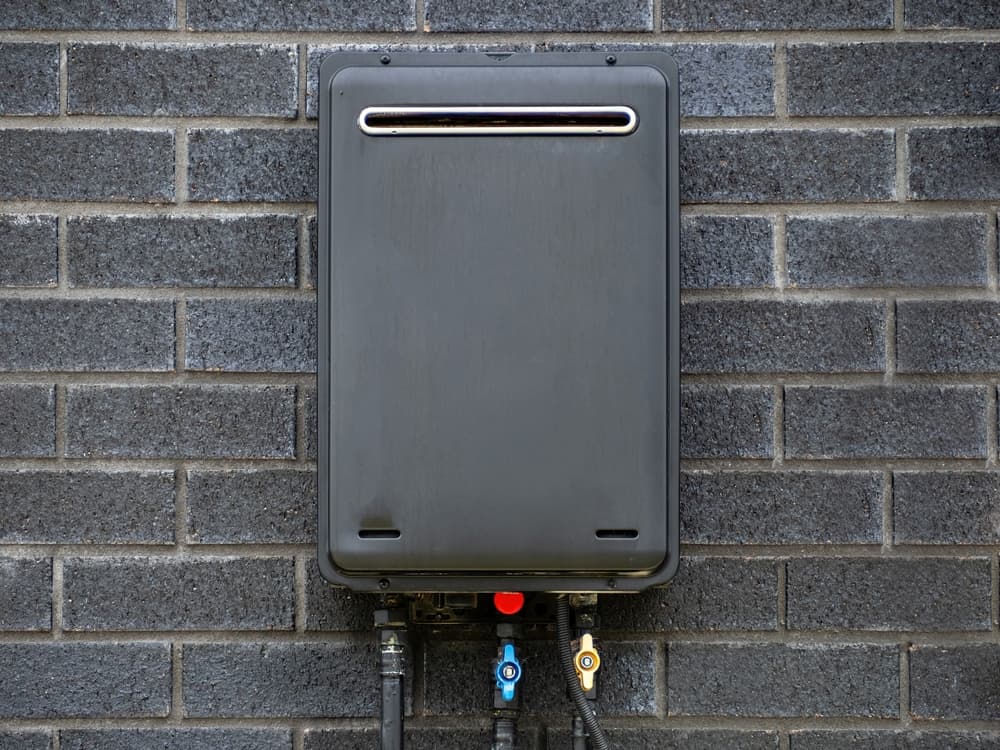
Electric vs. Gas Tankless Hot Water Heaters: What’s the Difference?
Tankless hot water heaters are gaining popularity among homeowners who seek endless hot water, lower utility bills, and a more efficient system overall. But once you decide to go tankless, the next question comes fast: Should you choose a gas or electric tankless water heater?
This guide breaks down how each system works, their pros and cons, costs, maintenance needs, and how to determine which is best for your home.
How Tankless Water Heaters Work
Tankless water heaters provide warm water only when needed. Instead of storing hot water in a tank, the system activates as soon as you turn on a faucet or appliance. This eliminates standby heat loss, providing a steady supply of hot water on demand. Most units deliver between two and five gallons per minute, depending on the type of system and household demand.
Gas Tankless Hot Water Heaters: Pros, Cons, and Costs
1. Flow Rate & Performance
Gas tankless water heaters are known for their high output. They typically deliver eight to ten gallons per minute, making them ideal for larger homes or situations where multiple showers, appliances, or taps operate simultaneously.
2. Maintenance Needs
Because they use combustion, gas units need annual servicing. This includes checking the burner, inspecting venting, and flushing the system to prevent scale buildup. While the maintenance is straightforward, it does require more attention than electric models.
3. Benefits of Gas Units
Homeowners appreciate gas tankless systems for their power, speed, and ability to handle heavy demand. They’re often the best choice for large families, cold climates, or households that frequently use multiple water fixtures simultaneously.
4. Potential Drawbacks
Installation costs are higher for gas systems because they require venting and access to natural gas or propane. They also tend to need more maintenance, and the upfront investment is greater than that of electric models.
Electric Tankless Hot Water Heaters: Pros, Cons, and Costs
1. Energy Efficiency
Electric tankless heaters are extremely efficient because they lose no energy through venting. They convert nearly all of their electricity into hot water, making them one of the most eco-friendly options for home water heating.
2. Installation Simplicity
These units are small, quiet, and easy to install. Since they don’t require venting or gas lines, installation is faster and more affordable. Most of the time, the only consideration is whether your electrical panel can support the system.
3. Benefits of Electric Units
Electric tankless heaters excel in smaller homes, condos, and households with low demand. They cost less upfront, are simple to maintain, and offer a clean, emission-free operation.
4. Potential Limitations
Their biggest limitation is output. Electric models generally cannot match the high flow rates of gas units, especially in cold climates where heating water requires more energy. Some homes may require an electrical panel upgrade to support their needs.
Installation Requirements for Electric vs. Gas Tankless Systems
Here’s a quick breakdown of what each system typically needs so you can plan confidently and avoid surprises during installation.
| Feature | Electric Tankless | Gas Tankless |
| Electrical Panel Needs | May require panel upgrade (200 amp ideal) | Minimal electrical needs |
| Gas Line Requirements | None | Must have a natural gas or propane line |
| Venting Needs | No venting required | Requires stainless steel or PVC venting |
| Space Requirements | Very compact; flexible placement | Larger units must meet venting clearance |
| Installation Cost | Lower | Higher due to venting + gas line work |
Efficiency and Energy Savings Comparison
In terms of pure efficiency, electric tankless heaters typically come out on top. They waste no heat through exhaust and require no combustion. However, gas units compensate with higher output and faster heating. The “most efficient” choice ultimately depends on how much hot water your household uses and what fuel sources are available.

Cost Comparison: Upfront, Operating, and Long-Term Costs
Purchase & Installation Costs
Electric systems almost always cost less to install. They don’t require venting, and most homes can easily integrate them. Gas systems require a larger upfront investment due to venting and gas line work.
Operating Costs
Monthly costs can vary depending on local utility rates. Electricity may cost more per kilowatt-hour than natural gas per therm, but gas systems consume more energy overall. In regions with inexpensive natural gas, gas tankless systems often prove more cost-effective in the long term.
Long-Term Value
Long-term value depends on your usage. High-demand homes get the most value from gas, while low-demand or small households often see better returns with electric.
Electric vs Gas Tankless Water Heaters: Which Is Better for Your Home?
When to Choose Gas
Gas is typically the better choice for large families, homes in cold climates, or situations where multiple showers and appliances run simultaneously. If your home already has a gas line and proper venting, installation becomes even more practical.
When to Choose Electric
Electric tankless heaters are ideal for smaller homes, budget-conscious installations, or properties without existing gas lines. They’re also a great fit for homeowners who prioritize environmental impact or want to avoid combustion appliances.
Quick Decision Guide: Choosing the Right Tankless Water Heater
Choose gas if you need:
- High flow rates
- Simultaneous, heavy hot water use
- Best long-term power and performance
Choose electric if you want:
- The lowest installation cost
- A simple, vent-free system
- Compact size and eco-friendly operation
Tips to Improve Efficiency
- Annual maintenance (gas) or periodic cleaning (electric)
- Install low-flow fixtures
- Keep temperature set between 120–130°F
- Avoid running multiple high-demand appliances at once (electric systems)
When to Call a Professional Installer
Tankless systems are complex. Installation affects safety, performance, and lifespan. Always call a professional if you notice:
- Inconsistent water temperature
- Reduced flow rate
- Strange noises or smells
- Rising energy bills
- Unit is over 15–20 years old
- Corrosion or leaks
A licensed technician can guide you toward the best system for your home and ensure proper installation.
At Carlson Duluth Company, we’ll evaluate your current system, break down the best gas or electric options for your home, and ensure your new tankless unit is installed for peak efficiency. Reach out today to speak with a technician and get your tankless project moving.