
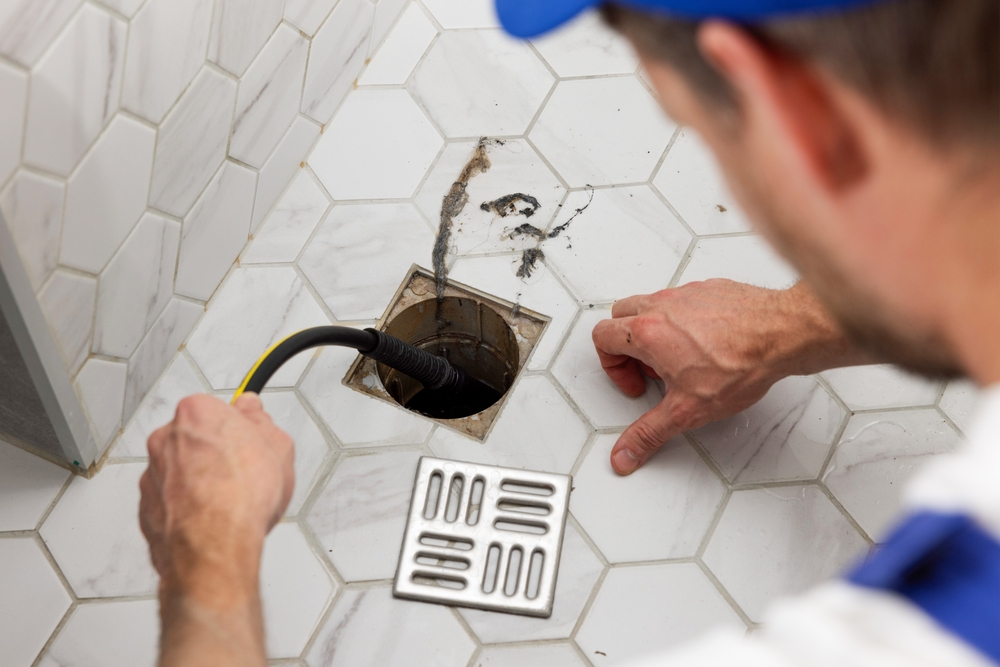
For residents relying on Duluth plumbing services, understanding proactive pipe maintenance is key to a smooth-running household. Giving your drains and pipes some attention is just as important as dusting your shelves and airing out your rooms. This proactive care can prevent headaches and costly repairs down the line.
This comprehensive guide will equip you with the knowledge and practical tips to ensure your plumbing stays in top shape, keeping those drains flowing freely all year long.
Washing Away Buildup (Grease, Hair, Soap Scum)
Prolonged indoor use can result in a significant accumulation of grease, hair, and soap scum within your pipes. Cleaning provides the ideal time to clear out this hidden gunk and ensure your clean pipes are ready for heavier usage.
Preparing for Increased Summer Water Usage
With warmer weather comes increased outdoor activities like gardening, washing cars, and filling pools, all of which contribute to higher water consumption. Ensuring your pipes are in good condition now can prevent them from being overwhelmed by the increased demand later. Proactive maintenance helps to prevent strain on your system.
Preventing Costly Backups and Repairs
A little preventative maintenance goes a long way in avoiding significant plumbing emergencies. Addressing minor clogs and buildup now can prevent them from turning into major blockages that lead to expensive backups, water damage, and emergency repair calls. It’s an investment in the longevity and efficiency of your home’s plumbing.
Kitchen Drain Do’s and Don’ts
The kitchen sink is often the most abused drain in the house, facing a constant onslaught of food scraps and grease. Following these simple guidelines can save you a lot of trouble.
Don’t Pour Grease Down the Drain (Even if Liquid)
This is perhaps the golden rule of kitchen drain care. Even seemingly liquid grease will cool and solidify in your pipes, creating stubborn clogs. Instead, pour cooled grease into a disposable container (like an old milk carton or coffee can) and throw it in the trash.
Use a Drain Strainer to Catch Food Scraps
A simple and inexpensive drain strainer is your first line of defense against food particles. These handy devices sit over your drain and catch everything from rice grains to vegetable peelings, preventing them from entering your pipes. Regularly empty and clean your strainer.
Hot Water Flush After Washing Dishes
After washing dishes, let hot water run down the drain for a minute or two. This helps to flush away any residual grease or food particles that might have made it past the strainer, helping to keep your drain clear. This simple habit contributes significantly to how to clean a drain effectively.
The Benefits of Baking Soda and Vinegar for Light Buildup
For minor clogs and to freshen your drain, a natural solution of baking soda and vinegar can be effective. Pour half a cup of baking soda down the drain, followed by half a cup of white vinegar. Let it fizz for 20-30 minutes, then flush with hot water. This can help break down grease and grime.
Bathroom Drain Best Practices
Bathroom drains are notoriously susceptible to hair and soap scum buildup. A few preventative measures can keep them flowing smoothly.
Hair Catchers are Your Best Friend (Showers and Sinks)
Just like kitchen strainers, hair catchers are essential for bathroom drains. They come in various forms and materials, fitting over or inside your drain to trap hair before it can form a mat in your pipes. Regularly clean out the hair catcher to prevent accumulation.
Avoiding Soap Scum Buildup (Regular Cleaning)
Soap scum is a combination of soap, hard water minerals, and body oils that adheres to surfaces and drains. Regularly cleaning your shower and sink with a non-abrasive cleaner can help prevent this buildup from migrating into your pipes. Consider switching to soap-free body washes if soap scum is a persistent issue.
Flushing Only Toilet Paper (No “Flushable” Wipes, etc.)
Despite marketing claims, “flushable” wipes, paper towels, cotton balls, and feminine hygiene products do not break down in your pipes like toilet paper. These items are a leading cause of major clogs and sewer backups. The only thing that should be flushed down your toilet is human waste and toilet paper. This is critical for maintaining a clean drain pipe free of obstructions.
Using a Plunger for Minor Clogs
A good old-fashioned plunger is an invaluable tool for clearing minor clogs in sinks, showers, and toilets. Ensure you have a good seal around the drain and plunge with firm, consistent strokes. Often, a few good plunges are all it takes to dislodge a simple blockage.

Laundry Room and Utility Sink Care
The laundry room and utility sinks often handle significant amounts of water and various substances, requiring specific care.
Lint Traps on Washing Machine Hoses
Washing machines discharge a surprising amount of lint with their wastewater. Attaching a lint trap to your washing machine’s discharge hose can prevent this lint from entering your plumbing system and contributing to clogs. These are inexpensive and easy to install.
Avoiding Excessive Detergent Use
Using too much laundry detergent can lead to an accumulation of suds and residue in your pipes, especially in older or less efficient washing machines. Follow the manufacturer’s recommendations for detergent usage, and consider using high-efficiency (HE) detergents for HE machines.
Proper Disposal of Harsh Chemicals (Not Down the Drain)
Never pour harsh chemicals like paint thinners, automotive fluids, or pesticides down your utility sink or any drain. These substances can damage your pipes, harm septic systems, and pollute the environment. Dispose of hazardous waste at designated collection sites in your community.
Outdoor Drain and Gutter Maintenance
Don’t forget the exterior plumbing! Outdoor drains and gutters play a crucial role in directing rainwater away from your home’s foundation.
Clearing Gutters and Downspouts of Debris
Leaves, twigs, and other debris can quickly clog gutters and downspouts, causing water to overflow and potentially damage your roof, siding, and foundation.
Ensuring Downspouts Direct Water Away from Foundation
Make sure your downspouts extend far enough away from your house to direct rainwater at least several feet from the foundation. If water pools near your foundation, it can lead to basement leaks and structural damage. Consider installing downspout extensions if needed.
Checking Outdoor Drains for Obstructions
If you have outdoor drains in your yard or patio, check them for accumulated debris like leaves, dirt, and small stones. Clearing these obstructions ensures proper drainage and prevents standing water.
The Dangers of Chemical Drain Cleaners
While tempting as a quick fix, chemical drain cleaners often cause more harm than good in the long run.
How They Can Damage Pipes Over Time
Most chemical drain cleaners use harsh corrosive chemicals that generate heat to dissolve clogs. While they might clear the immediate blockage, this heat and corrosive action can degrade your pipes, especially older ones, leading to leaks, cracks, and premature failure. They can also get stuck in the pipe, making the plumber’s job harder and more dangerous.
Environmental and Health Risks
These strong chemicals are highly toxic and can pose significant health risks if inhaled or come into contact with skin or eyes. Furthermore, when flushed down the drain, they enter the wastewater system, potentially harming aquatic life and polluting water sources.
When to Avoid Them Entirely
It’s generally best to avoid chemical drain cleaners altogether. For minor clogs, try the baking soda and vinegar method or a plunger. For anything more substantial, it’s always safer to call a professional.
When to Call a Professional Plumber
While DIY methods can handle many minor issues, some problems warrant the expertise of a professional. Knowing when to call can save you time, money, and prevent further damage.
Persistent or Recurring Clogs
If a drain repeatedly clogs despite your best efforts, it’s a sign of a deeper issue that DIY solutions can’t address. There might be a significant blockage further down the pipe or a more complex problem.
Multiple Slow Drains in Your Home
If several drains in different parts of your house are slow simultaneously, it often indicates a main sewer line issue. This is a serious problem that requires immediate professional attention. For reliable services, consider reaching out to plumbers Duluth MN.
Foul Odors from Drains
Unpleasant smells emanating from your drains can indicate a buildup of bacteria, mold, or even a sewage backup. A professional plumber can identify the source of the odor and address it effectively.
Gurgling Noises from Pipes
Gurgling sounds from your pipes, especially after flushing a toilet or running water, often signal trapped air caused by a blockage in the drain or vent system. This is another indicator that professional intervention is needed.
Suspected Main Line Issues
Any suspicion of a main line clog or break—such as sewage backing up into multiple fixtures, or water pooling in your yard—requires immediate professional assistance. Mainline problems are serious and can lead to extensive damage if not addressed promptly.
Your Pipes, Our Priority in Duluth, MN
At Carlson Duluth Company, we combine over four generations of experience with the expertise of our union-trained, highly skilled Duluth plumbers. This unparalleled foundation allows us to confidently handle any size project, from routine maintenance to complex installations.
We offer free estimates and are always just a phone call away. Contact us today at 4415 Venture Ave. or give us a call – we eagerly look forward to working with you to ensure a smooth, worry-free year for your home’s plumbing system.